

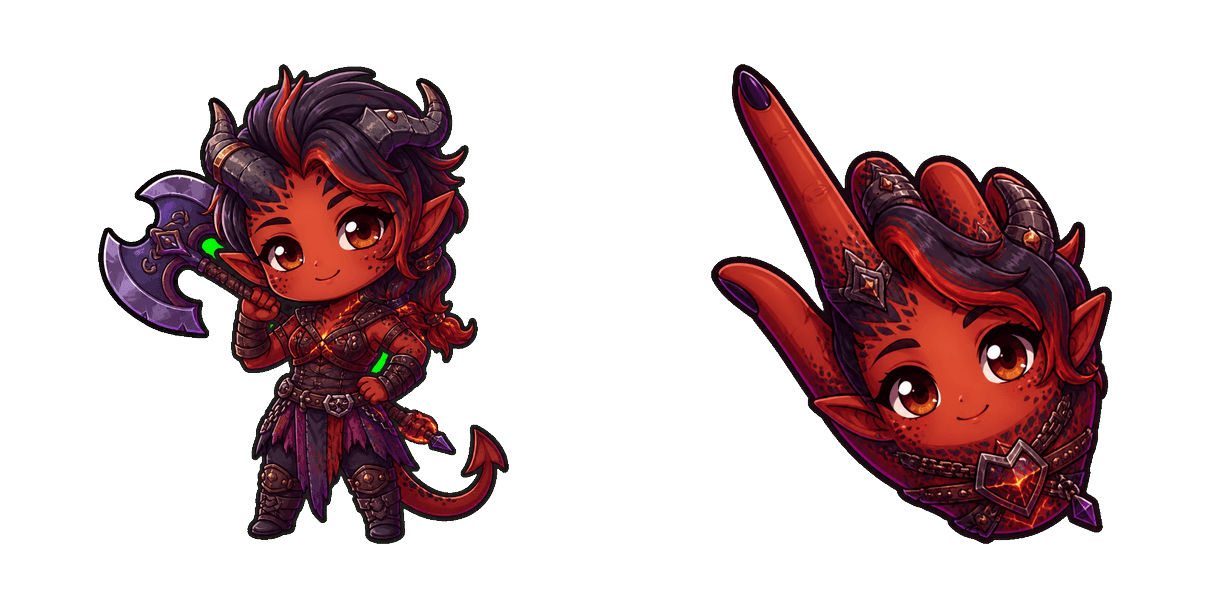
Baldur’s Gate 3 Karlach курсор пак
Baldur’s Gate 3 Karlach cursor with Infernal Heart pointer - free dark outline custom cursor.

Baldur's Gate 3 did something the industry had quietly decided was impossible: shipped a genuine Dungeons & Dragons campaign as a video game, with the freedom mostly intact. Larian let players solve encounters in whatever order they liked, including badly.
The systems are the appeal. Almost everything can be shoved, stacked, set on fire or thrown, and the game rarely stops you. Players routinely finish encounters in ways no designer planned, and the game accommodates it rather than punishing it.
The companions are why people finished it three times. Astarion is a vampire with a defence mechanism made entirely of charm, and his arc is the most-discussed piece of writing in the game. Lae'zel arrives certain of everything and spends the campaign discovering her certainty was manufactured.
It also handles romance, betrayal and consequence with more nuance than the genre had managed before, largely by letting characters actually dislike your choices.
This collection covers the party and their weapons. Roll for initiative.
Browse free custom cursor packs in this collection and install them in one click.
14
packs
Baldur’s Gate 3 Karlach cursor with Infernal Heart pointer - free dark outline custom cursor.
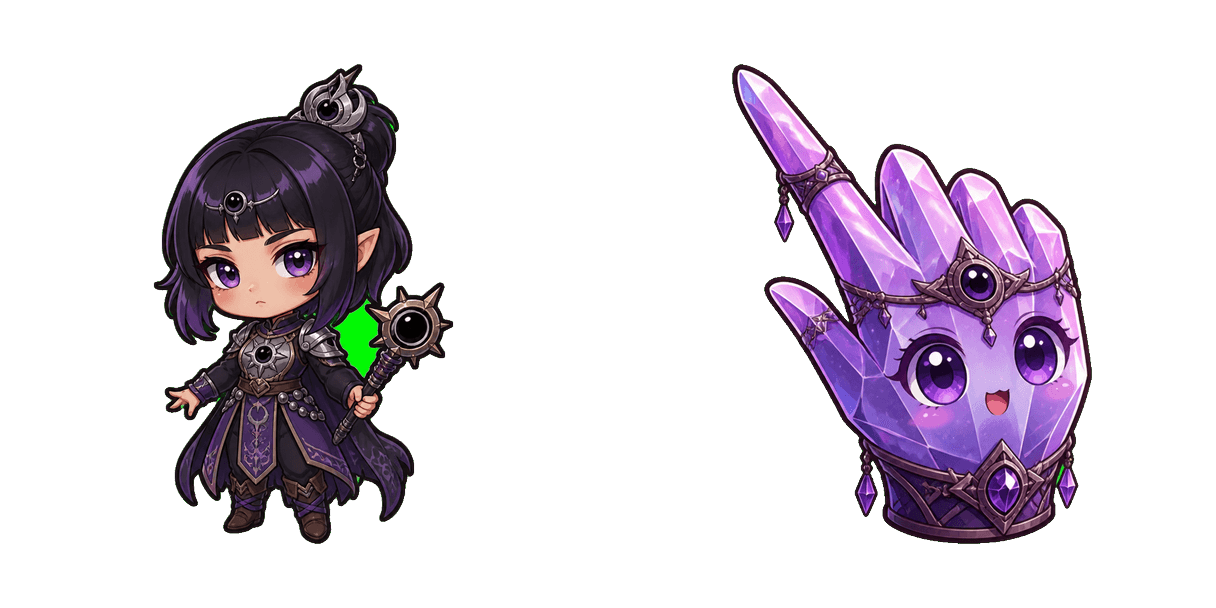
Baldur’s Gate 3 Shadowheart cursor with Astral Prism pointer - free dark outline custom cursor.

Baldur’s Gate 3 Astarion cursor with Vampire Fang pointer - free dark outline custom cursor.

Baldur's Gate 3 Astarion Moonlight cursor with a character pointer - free dark outline custom cursor.

Baldur's Gate 3 Astarion Rogue cursor with a character pointer - free dark outline custom cursor.
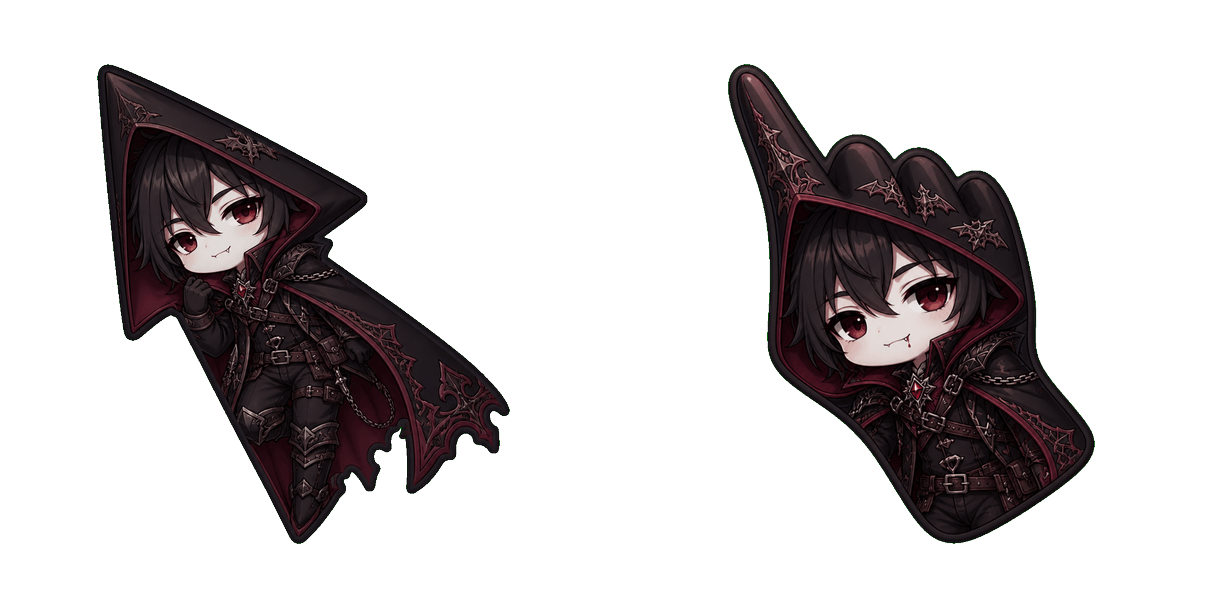
Baldur's Gate 3 Astarion Vampire cursor with a character pointer - free dark outline custom cursor.

Baldur's Gate 3 Astarion cursor with a character pointer - free dark outline custom cursor.

Baldur's Gate tankard cute cursor packs the gold tavern tankard arrow and a matching soft gold pointing-hand pointer.
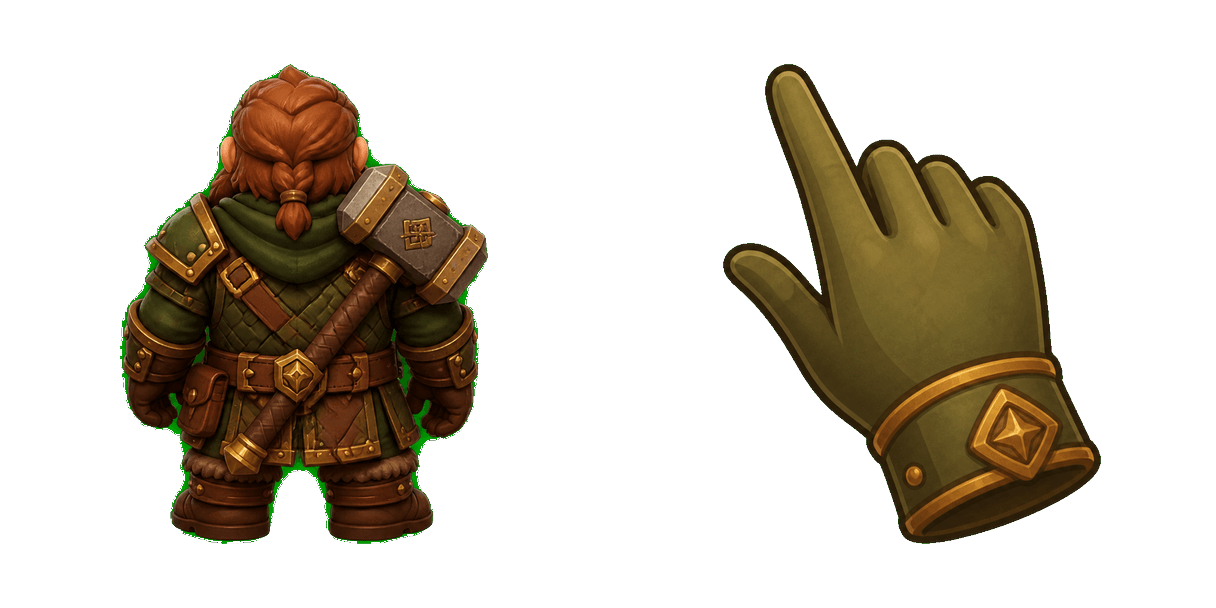
Baldur's Gate dwarf cute cursor brings the stout dwarf with hammer arrow and a matching olive brown pointing-hand pointer.
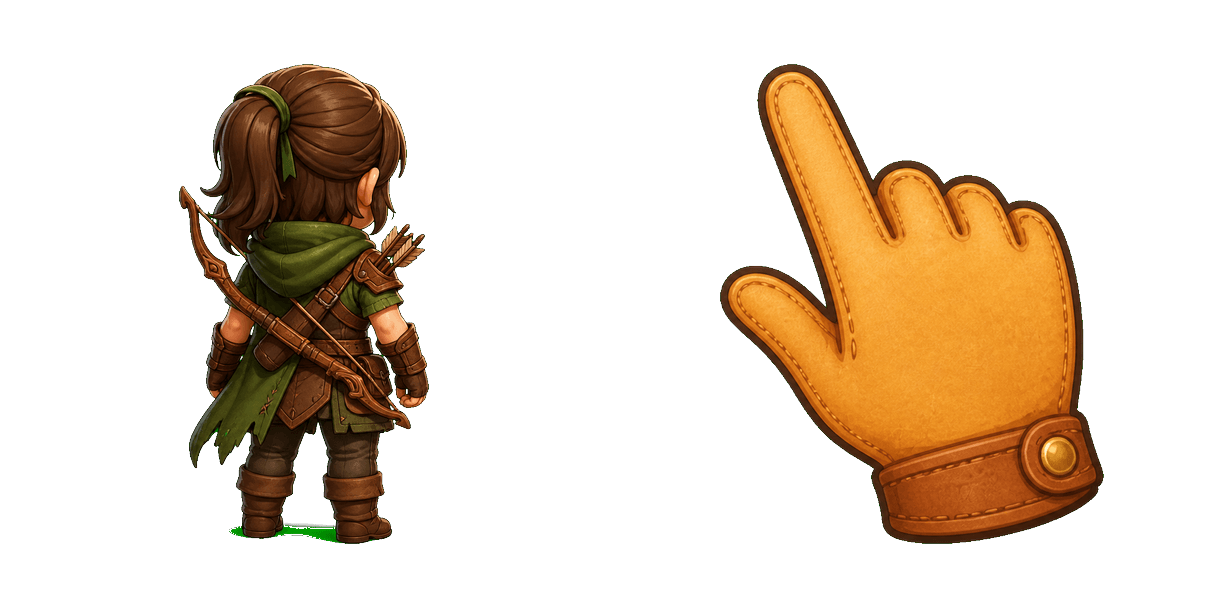
Baldur's Gate rogue cute cursor packs the leather armor bow scout arrow and a matching soft tan pointing-hand pointer.
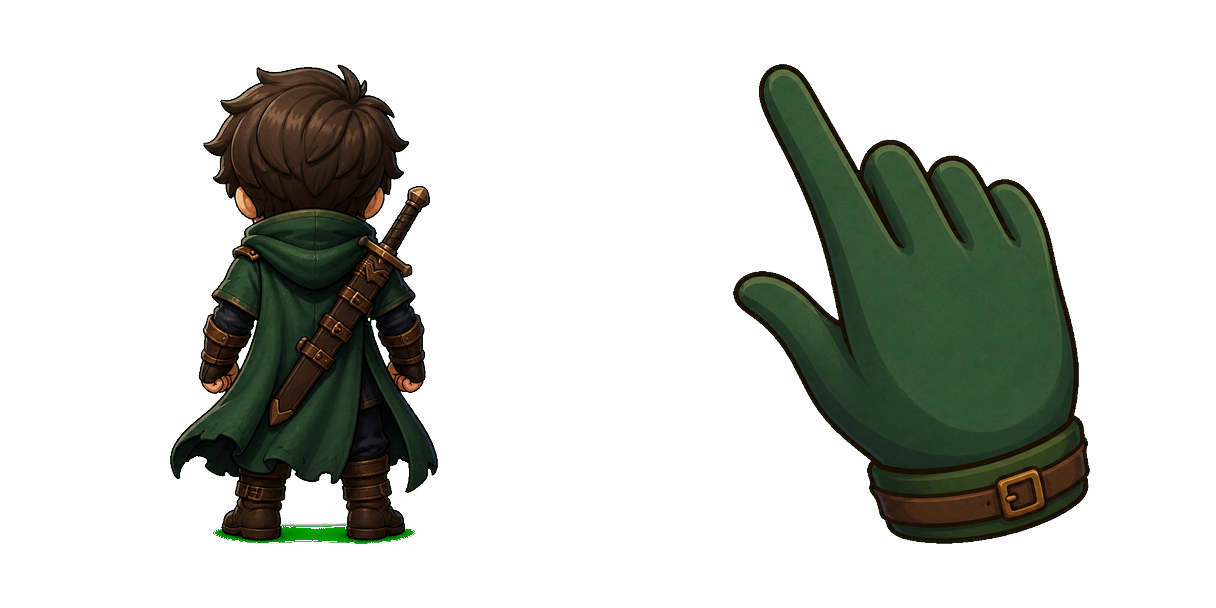
Baldur's Gate fighter cute cursor brings the green cloak sword fighter arrow and a matching forest green pointing-hand pointer.

Baldur's Gate wizard cute cursor packs the purple robes staff mage arrow and a matching soft purple pointing-hand pointer.
 A
AСпробуй Baldur's Gate 3 Lae'zel & Sword анімація: милий курсор пак і готові custom cursors.

Baldurs Gate 3 Астаріон & Knife - кастомний курсор і cute cursor для браузера.
Collections related to Baldur's Gate - find another style you might like.

Cute African reptile cursors - snakes, chameleons and lizards with matching pointer hands.

Cute African primate cursors - gorillas, chimps, baboons and lemurs with matching pointer hands.

Cute African mammal cursors - meerkat, pangolin, hyena, foxes and wild dog with matching pointer hands.

Cute African bird cursors - eagles, ostrich, flamingo, crane and parrot with matching pointer hands.

Cute Africa desert cursors - Sahara, Namib, dunes and oasis icons with matching pointer hands.

Cute Africa savanna cursors - baobabs, acacias, Serengeti and Mara plains with matching pointer hands.

Cute Africa river and lake cursors - Nile, Congo, Victoria Falls and Great Lakes with matching pointer hands.

Cute Africa mountain cursors - Kilimanjaro, Atlas, Table Mountain and volcanoes with matching pointer hands.

Cute Africa coast and forest cursors - beaches, reefs, rainforests and Cape Point with matching pointer hands.

Cute Africa textile and jewelry cursors - kente, ankara, beads and zellige with matching pointer hands.
Your standard mouse pointer is boring. It's time to upgrade! At Cute Cursors, we offer thousands of free custom cursors for Windows and Chrome. From sparkling animated pointers to sleek minimalist designs, find the perfect pack to personalize your digital space and express your style.
Jump straight into our most loved collections:
Whether you're a gamer looking for a competitive edge, a student personalizing your workspace, or just someone who loves cute things, we have a cursor for you.

Встановіть його безкоштовно прямо зараз з офіційного Chrome Web Store
Idle
{
  "status": "idle"
}